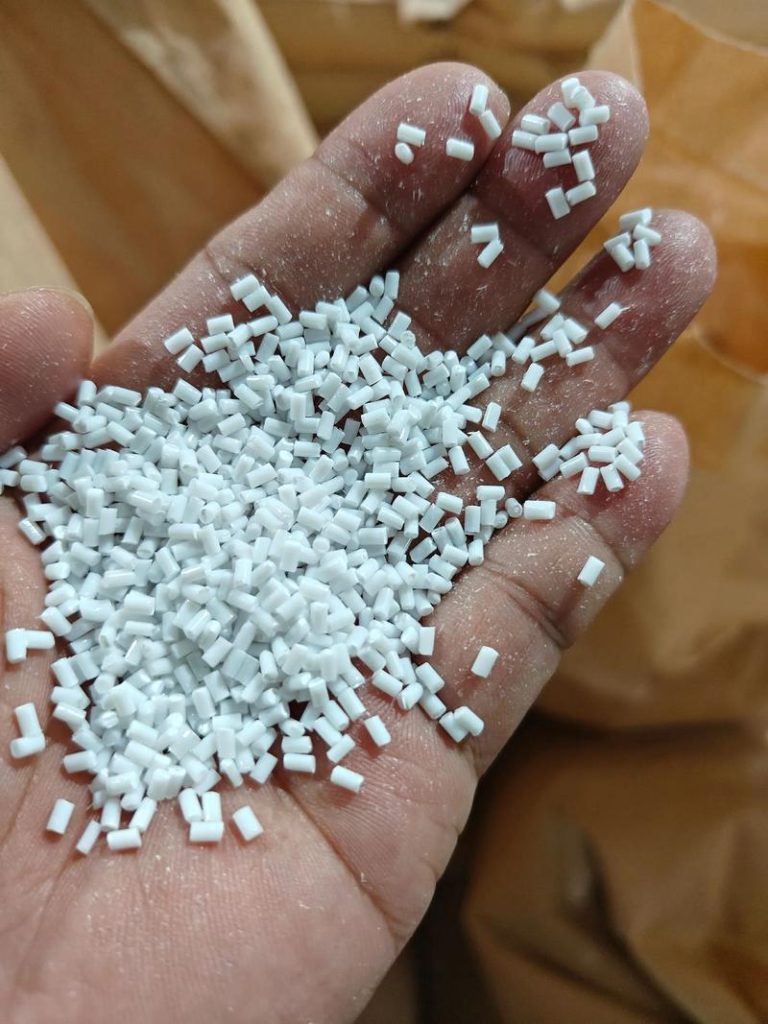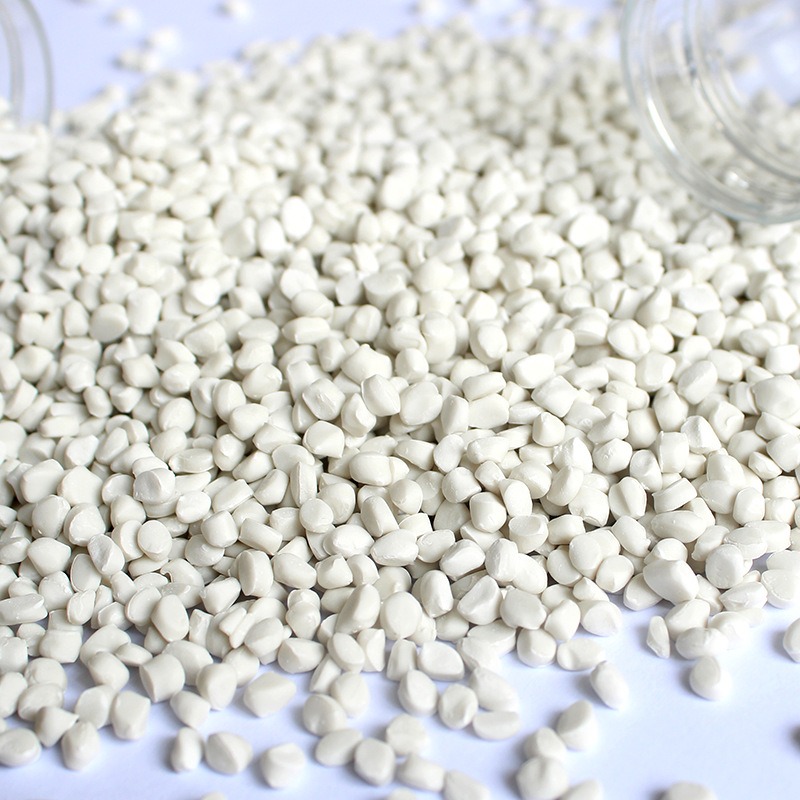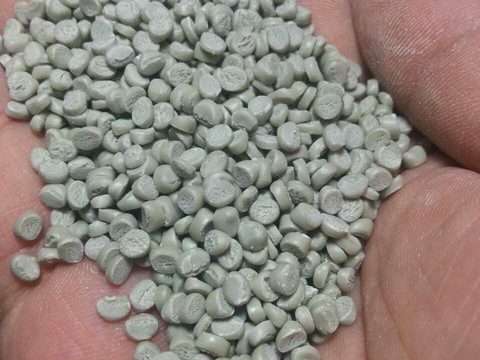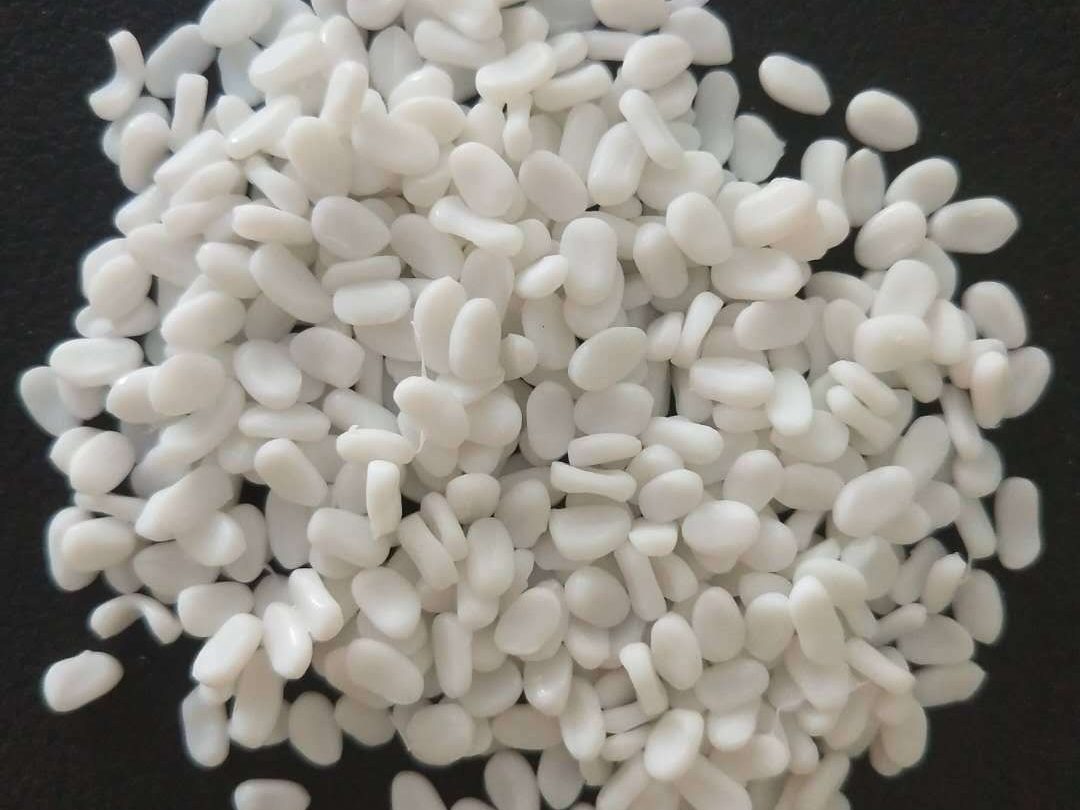
Across vast farmlands, the black mulch films, silver reflective sheets, and colorful drip irrigation lines that cover the soil are more than just features of modern agriculture—they are visible manifestations of precision farming technology. The core functionality and service life of these plastic products are largely determined by a key material: functional masterbatches. Serving as the “smart core” of agricultural films and pipes, masterbatches are evolving from simple colorants into high-tech solutions that integrate spectral control, functional enhancement, and environmental adaptation.
Part 1: Core Application Areas: From Soil Cover to Precision Irrigation
1. Agricultural Mulch Films: The “Intelligent Skin” for Microclimate Control
- Black and Silver/Black Mulch Films: Black films, produced with high-concentration carbon black masterbatch, effectively absorb sunlight, increase soil temperature, and almost completely block light to suppress weed growth efficiently. Silver/black dual-layer films combine soil warming, weed control, and pest repellence—the silver surface reflects light to deter aphids and other pests while enhancing photosynthesis in lower plant leaves.
- Biodegradable Mulch Films: In response to environmental needs, masterbatches incorporating photo/biodegradation additives are crucial. They ensure film stability during the cropping season while enabling controlled degradation afterward, eliminating plastic pollution while meeting color and functional requirements.
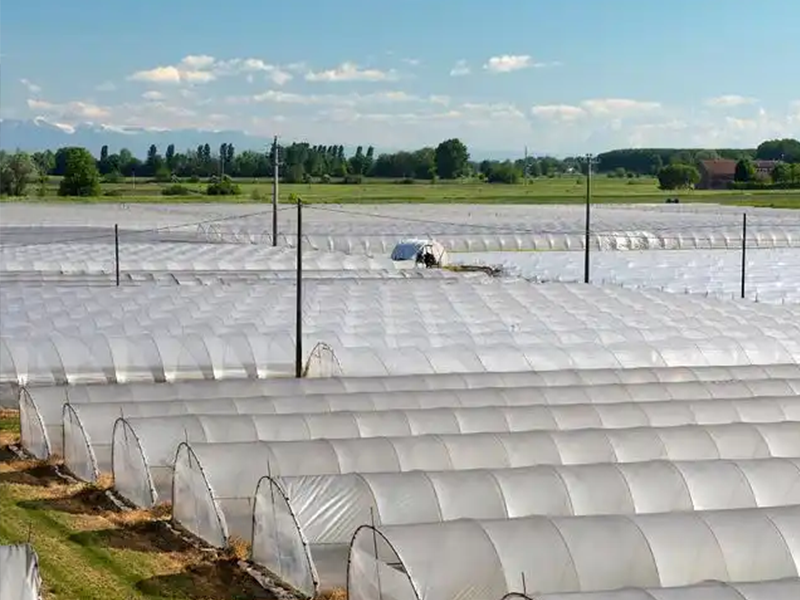
2. Greenhouse Films: The “Light Managers” for Optimized Growing Conditions
- Light-Converting Greenhouse Films: Utilizing rare-earth light conversion agents within the masterbatch, these films transform less useful ultraviolet and green light from the sun into photosynthetically active red-orange (600-700 nm) and blue-violet (400-500 nm) wavelengths. This “light fertilizer” effect can increase crop yields by 10-25% and improve quality.
- Light-Diffusing Films: Incorporating specialized light-scattering additives into the masterbatch converts direct sunlight into soft, uniform scattered light inside the greenhouse, minimizing shadows and the risk of plant burning, promoting even growth.
- High-Light-Transmission, Long-Life Films: Combining anti-aging masterbatches with highly transparent base resins achieves over 90% light transmission and a lifespan of 3-5 years, extending service life by 1-2 years compared to standard films.
3. Water-Saving Irrigation Systems: The “Lifelines” for Precise Delivery
- Drip Tapes/Tubes: Black or dark-colored drip tapes, achieved through masterbatch coloring, prevent algae growth and clogging of emitters. Drip systems incorporating UV-resistant and anti-aging masterbatches withstand prolonged sun exposure, while specially colored masterbatches help identify different flow-rate tubes.
- Agricultural Pipes/Sprinkler Lines: These products must withstand water pressure, sunlight, and soil chemicals. Functional masterbatches provide color coding while enhancing impact resistance, environmental stress crack resistance (ESCR), and UV stability.
Part 2: Technical Challenges and Innovative Solutions
Challenge 1: Durability in Extreme Environments
Agricultural plastics face constant exposure to intense UV radiation, high temperatures, humidity, agrochemicals, and soil microbes.
Solutions:
- Multi-Level Anti-Aging Systems: Employ synergistic formulations of high-efficiency UV absorbers, light stabilizers, and antioxidants to create a multi-layer protective network. For example, combining HALS (Hindered Amine Light Stabilizers) with UV absorbers can extend film life from 6-8 months to 3-5 years.
- Weather-Resistant Pigments: Using highly weatherable inorganic pigments (e.g., iron oxides) and specific organic pigments ensures long-lasting color that resists fading and avoids generating harmful substances through photodegradation.
Challenge 2: Balancing Functionality and Cost
Agriculture is cost-sensitive, requiring an optimal balance between added functionality and affordability.
Solutions:
- High-Efficiency Functional Concentrates: Functional additives (light converters, diffusers, anti-aging agents) are pre-dispersed at high concentrations in a carrier to create multifunctional masterbatches. Low addition levels (typically 1-3%) significantly enhance product performance cost-effectively.
- Excellent Compatibility with Recycled Content (PCR): Masterbatches specifically designed for PCR effectively mask inherent colors in recycled materials, improving the appearance and quality stability of finished products containing PCR, thereby reducing costs for farmers.
Challenge 3: Precise Control for Crop Growth
Different crops and growth stages have unique requirements for light, temperature, and humidity, demanding more intelligent solutions.
Solutions:
- Spectrum-Selective Control: Develop crop-specific masterbatches. For example, formulations for leafy greens can enhance blue-violet light, while those for fruiting vegetables can boost red-orange light conversion.
- Light-Temperature Coupled Design: Adjust masterbatch formulations for different seasons and regions. For instance, use dark-colored films for soil warming in colder areas and silver/white reflective films for cooling in hotter climates.
Part 3: Industry Trends and Future Outlook
1. Green and Sustainable Development
Growing global concern over plastic pollution is driving demand for eco-friendly masterbatch solutions. The future will see more masterbatches for fully biodegradable mulch films based on materials like PLA (Polylactic Acid) and PBAT, as well as solutions for mono-material, multi-layer films designed for easier sorting and recycling.
2. Digitization and Precision
Integrated with IoT sensors and analytics, future agricultural films could employ masterbatches to enable smart responsive functions. Photochromic or thermochromic masterbatches could allow films to automatically adjust light transmission based on environmental conditions. Humidity-sensitive masterbatches could create “breathable” smart films.
3. Multifunctional Integration
The trend is moving from single functions (warming, weed suppression) towards integrated “all-in-one” solutions combining warming, weed control, pest repellence, light regulation, humidity control, and disease prevention. Innovations in masterbatch technology will enable a single film to address multiple agronomic challenges, simplifying farming operations.
Conclusion
Modern agriculture is undergoing a profound transformation from resource-dependence to technology-driven practices. Functional masterbatches, as the “intelligent core” of agricultural plastic products, are pivotal to ensuring food security, resource conservation, and sustainable farming. From light-converting films that boost photosynthesis to durable drip tapes that conserve water, from weed-controlling black mulch to eco-friendly biodegradable materials, masterbatch technology is quietly yet profoundly nurturing every acre of land and empowering every harvest.
In an era of growing population and limited arable land, enhancing agricultural productivity through material science innovation is not just an industrial need but a mission of our time. Functional masterbatches for agriculture are embracing this mission, writing a new chapter of technology-driven farming on the world’s fields.