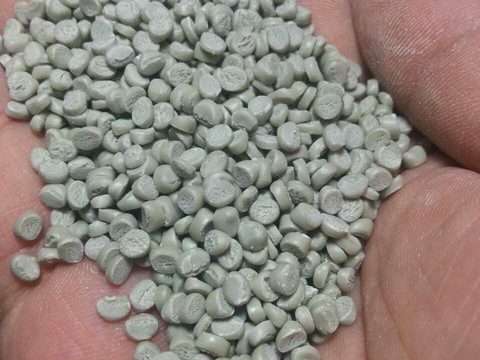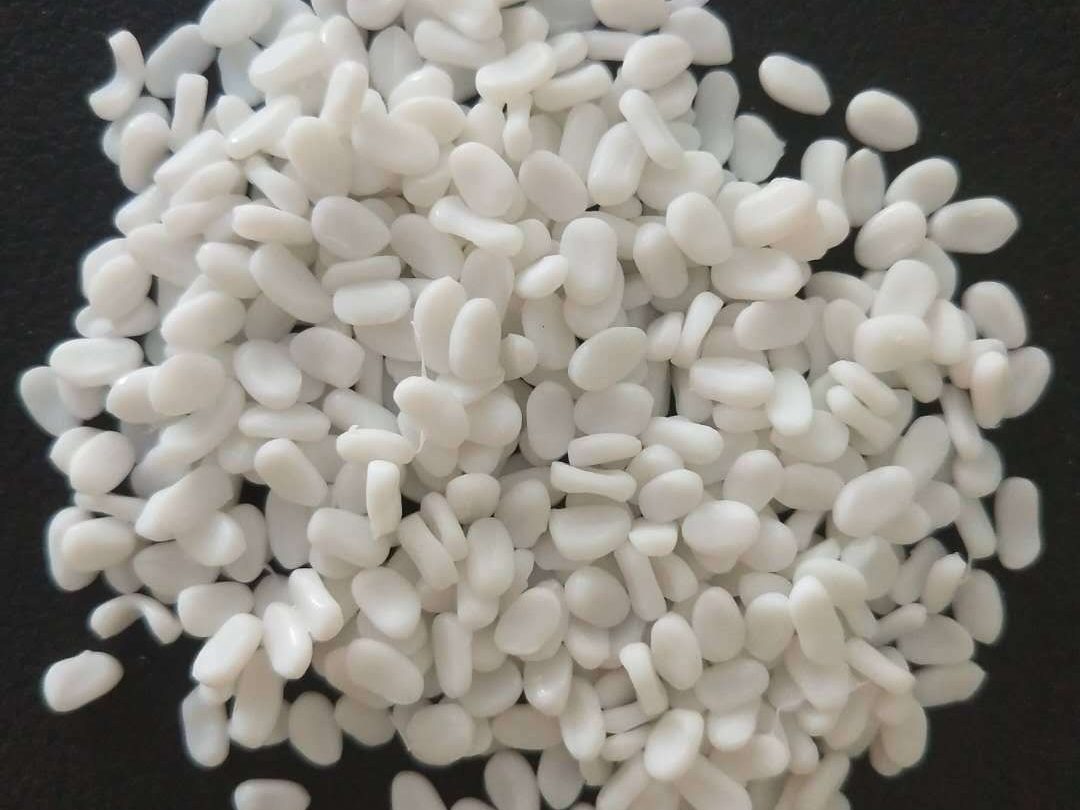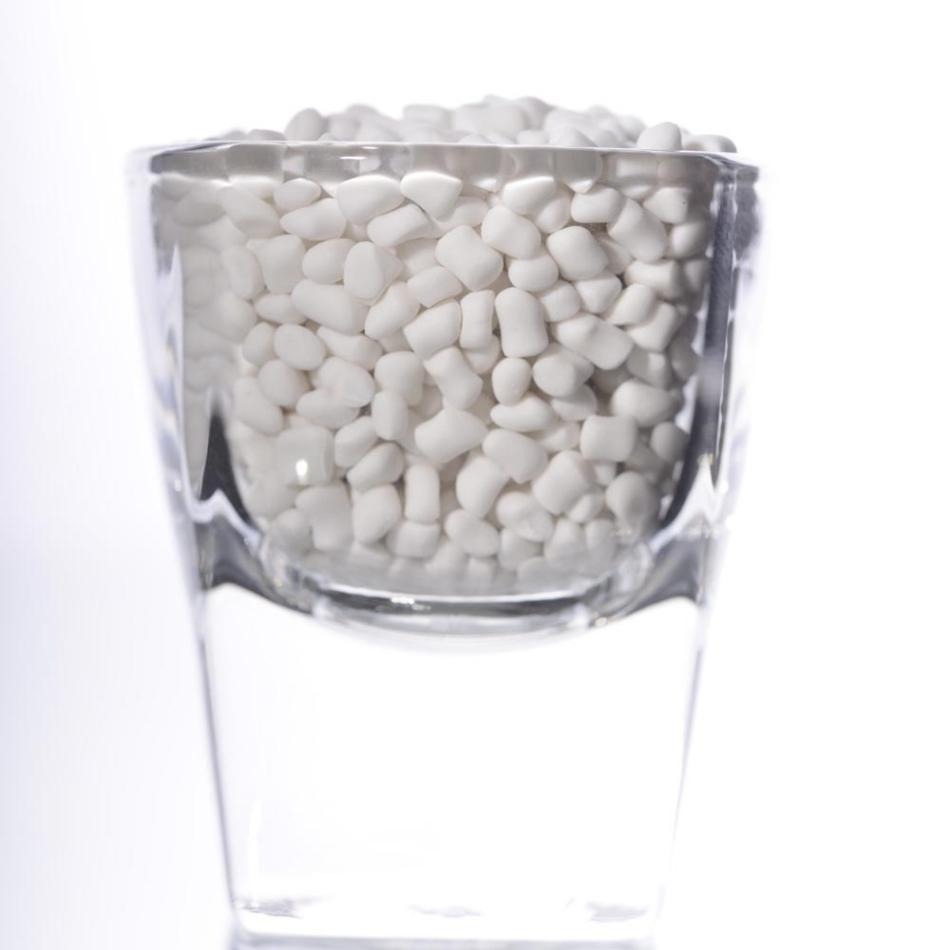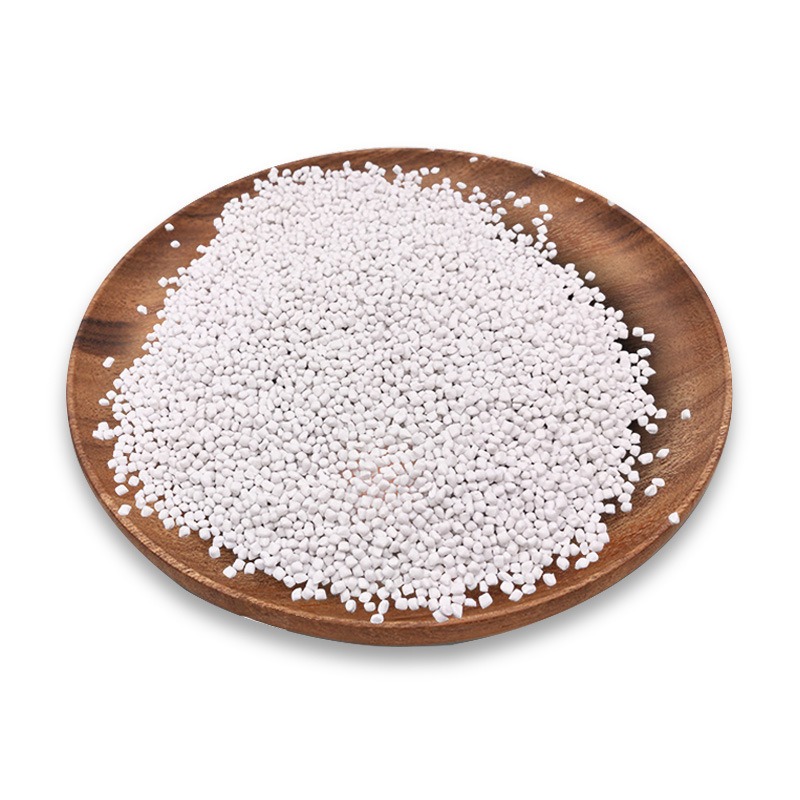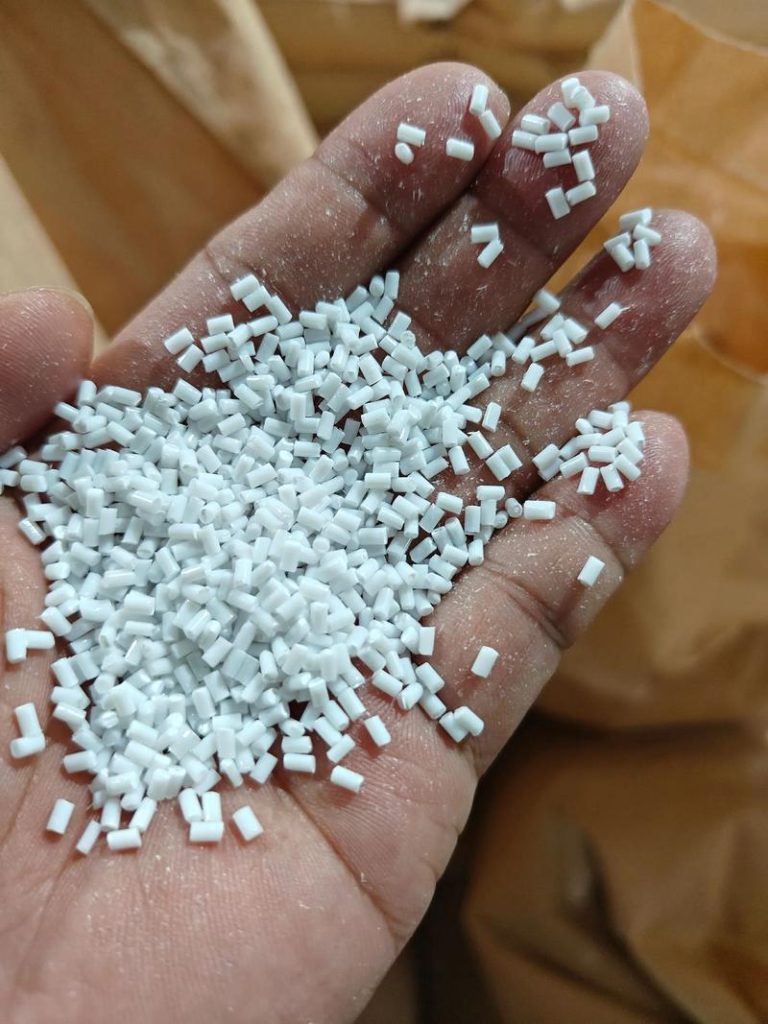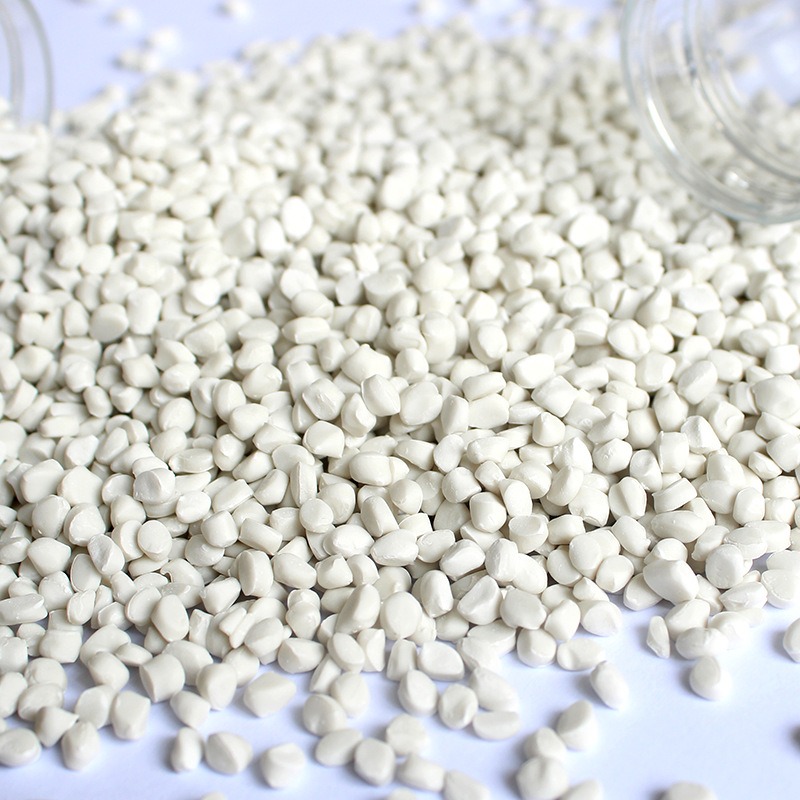
As a core functional modification material in plastic processing, talc masterbatch is valued for its reinforcement, heat resistance and cost-effectiveness. Made from natural layered magnesium silicate talc, it optimizes plastic performance and is widely used in automotive, home appliances and construction fields. ANGFLY, a professional masterbatch manufacturer, introduces the core value, features and applications of talc masterbatch.
Talc Masterbatch: Beyond Basic Reinforcement
ANGFLY talc masterbatch is made of high-purity talc powder (800-2500 mesh), carrier resin, dispersants and coupling agents, via internal mixing and twin-screw extrusion. Unlike pure talc powder (prone to agglomeration), it has excellent compatibility with base resins, delivering comprehensive performance upgrades.
Its key advantage is strong reinforcement: talc’s layered structure forms a stable reinforcement network in plastic matrices, enhancing rigidity, flexural modulus and impact strength, while reducing shrinkage and warpage. For PP products, it significantly improves heat distortion temperature, adapting to high-temperature scenarios.
It also boasts excellent heat and weather resistance, enhancing plastic’s high-temperature creep and UV resistance to prevent yellowing and deformation. Additionally, it optimizes processing fluidity, reducing defects and improving production efficiency.
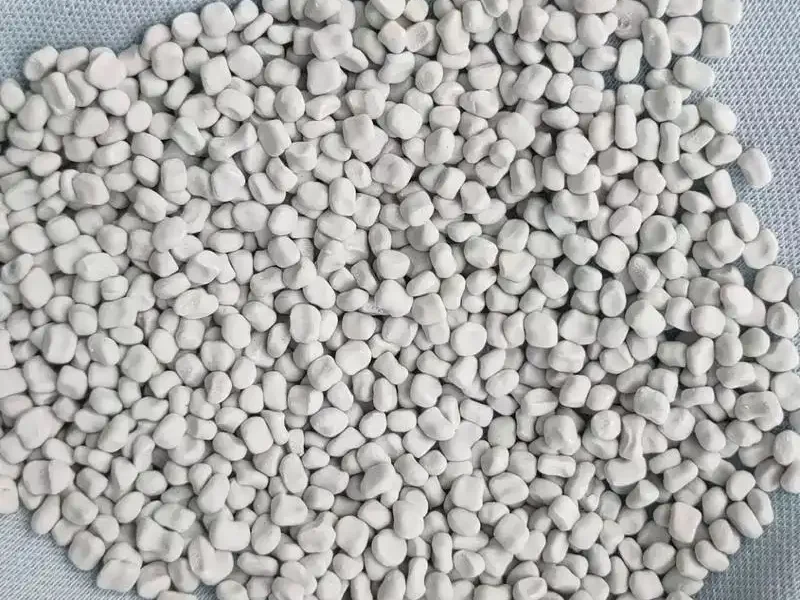
ANGFLY’s talc masterbatch features uniform particle size, good fluidity and dispersibility (no white spots/impurities), ensuring stable production. It is non-toxic, odorless, and certified by SGS, ROHS and FDA, suitable for food packaging and children’s products.
Professional Applications
Compatible with PP, PE, ABS and other mainstream resins, and adaptable to film blowing, injection molding and extrusion, it is widely used in:
1. Packaging Industry: Blown films (agricultural mulch, food packaging, geotextiles) for enhanced tensile strength, puncture resistance and moisture resistance; injection/blow molded products (food containers, microwave lunch boxes) meeting food-grade standards.
2. Daily Necessities & Toys: Injection/extrusion products (plastic basins, stationery, children’s toys) with improved sturdiness, scratch resistance and color stability, complying with safety standards.